
Zombie Data: The Hidden Risk Lurking in “Recycled” Devices

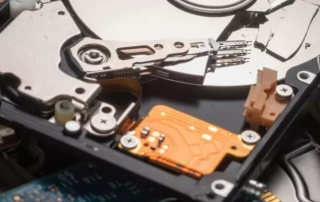
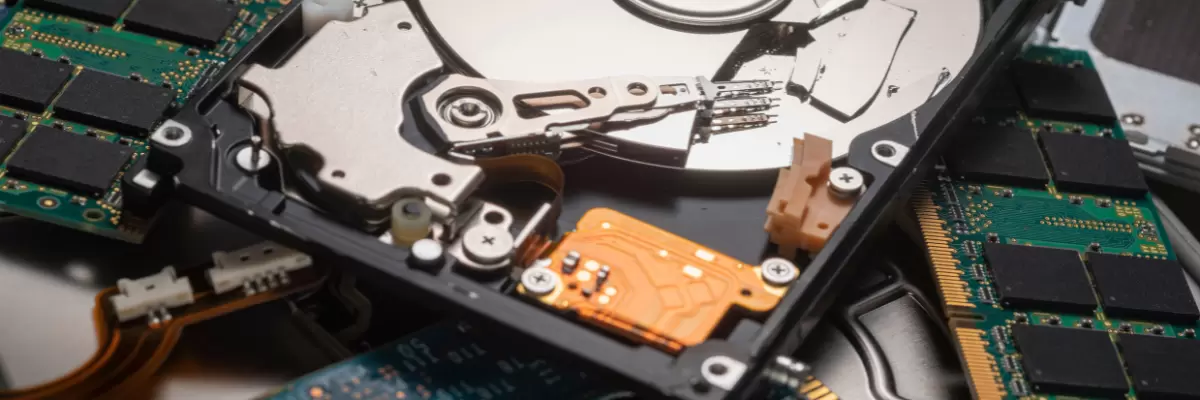
Your old laptops and servers left the building months ago. As far as your IT team is concerned, that data is gone. But for a disturbing number of organizations, it isn't — it's just waiting on a drive somewhere, in a box, on a resale shelf, or halfway around the world, for the wrong person to find it. Security researchers have a name for it: zombie data. Information that was supposedly deleted, wiped, or "recycled," but never actually died. Why "Deleted" Doesn't Mean Gone When a file is deleted or a drive is formatted, the operating system usually just removes the pointer to where that data lives — the underlying bits stay put until something else overwrites them. That means a quick format, a factory reset, or dragging files to the trash can all look like a clean slate while leaving the actual information fully intact and recoverable with free forensic tools. Multiple independent studies over the years have tested this [...]

2026-07-16T16:50:12+00:00July 15, 2026|

What is Reverse Logistics and Why it Saves Companies Thousands on IT Assets

When most organizations think about managing IT equipment, they focus on what comes in—purchasing new hardware, onboarding devices, deploying infrastructure. But what happens on the way out is just as important, and far too often overlooked. Reverse logistics is the process of moving IT assets from their end point back through your supply chain—whether that means returning equipment to a central facility, redistributing it across departments, storing it for future use, or responsibly recycling it at end of life. Done well, it protects your data, extends the value of your assets, and keeps your organization out of regulatory trouble. Done poorly, it costs you money, creates compliance gaps, and turns retired hardware into a liability. Here's what you need to know. What Reverse Logistics Actually Covers The term gets used loosely, but for enterprise IT, reverse logistics typically includes: Asset retrieval — Physically collecting devices from offices, remote employees, data centers, or multiple facilities Intake and inventory — Logging and tagging [...]

2026-05-08T02:06:19+00:00May 1, 2026|
Go to Top