When most organizations think about managing IT equipment, they focus on what comes in—purchasing new hardware, onboarding devices, deploying infrastructure. But what happens on the way out is just as important, and far too often overlooked.
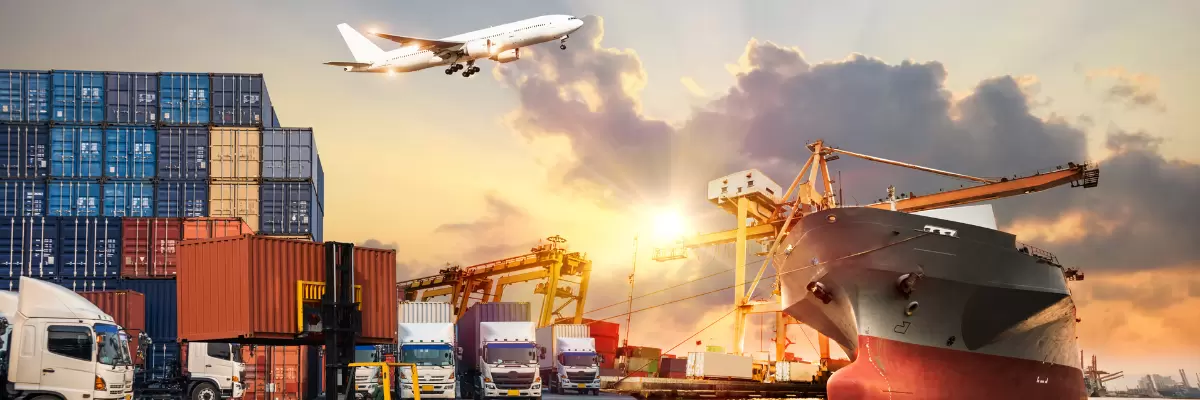
Reverse logistics is the process of moving IT assets from their end point back through your supply chain—whether that means returning equipment to a central facility, redistributing it across departments, storing it for future use, or responsibly recycling it at end of life. Done well, it protects your data, extends the value of your assets, and keeps your organization out of regulatory trouble. Done poorly, it costs you money, creates compliance gaps, and turns retired hardware into a liability.
Here’s what you need to know.
What Reverse Logistics Actually Covers
The term gets used loosely, but for enterprise IT, reverse logistics typically includes:
- Asset retrieval — Physically collecting devices from offices, remote employees, data centers, or multiple facilities
- Intake and inventory — Logging and tagging every item that comes back, with serialized tracking so nothing disappears in transit
- Secure storage — Holding equipment in a monitored, climate-controlled environment while disposition decisions are made
- Redeployment — Moving equipment to new users, departments, or locations—sometimes after reimaging or refurbishment
- Disposition — Sending equipment to remarketing, recycling, or certified destruction at the end of its useful life
Each step sounds straightforward, but in practice—especially for enterprises managing equipment across multiple locations—the logistics chain breaks down quickly without a structured process and a trusted partner.
The Real Cost of Getting It Wrong
Most organizations don’t realize how much money they lose on poor reverse logistics until they audit it. Here’s where the waste shows up:
Equipment disappears. Without serialized tracking, devices get lost between facility pickups and final disposition. A laptop that costs $1,200 to replace costs almost nothing to redeploy—if you can actually find it.
Redeployable assets get prematurely recycled. Equipment that still has two to three years of useful life gets sent to recycling simply because there’s no process to evaluate and redeploy it. That’s value walking out the door.
Data doesn’t get properly wiped. Devices returned from employees or field locations often still contain sensitive data. Without a verified data destruction step built into the reverse logistics process, those devices are a breach waiting to happen—regardless of whether they’re being redeployed internally or sent elsewhere.
Compliance documentation is missing. Auditors and regulators want chain-of-custody records. If you can’t show where each device went and what happened to its data, you have an exposure problem—even if nothing actually went wrong.
Redeploying vs. Recycling: How to Decide
Not every piece of retired hardware is actually at the end of its life. The right call depends on the device’s age, condition, and your organization’s needs—but a simple framework helps:
Redeploy if:
- The device is fewer than five years old and meets current performance requirements for a lower-demand use case
- It can be reimaged and returned to service without significant cost
- You have an internal need—onboarding new employees, equipping a new office, or filling gaps in a department refresh
Remarket if:
- The device is still functional but no longer fits your standards
- There’s residual market value that can offset future hardware purchases
- Certified data destruction can be completed before the device leaves your control
Recycle if:
- The device is beyond useful life or economically uneconomical to repair
- There’s no residual market value
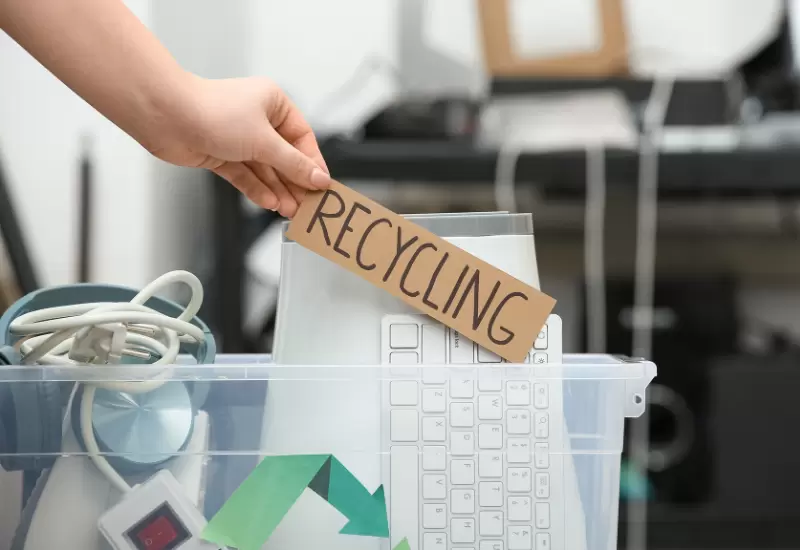
- Responsible recycling by an R2v3-certified facility is required for regulatory or sustainability compliance
A good reverse logistics partner handles the evaluation for you—inventorying what came back, assessing condition, and routing each device to the right outcome automatically.
What a Managed Reverse Logistics Program Looks Like
For organizations with distributed fleets—multiple offices, remote workers, or regular hardware refresh cycles—managing reverse logistics in-house is rarely practical. The logistics coordination, storage infrastructure, and data security requirements add up fast.
A managed program with a certified partner like METech Recycling typically works like this:
Scheduled or on-demand pickups handle retrieval from your locations, so your IT team isn’t coordinating freight shipments or chasing down returned devices from departing employees.
Secure, monitored storage holds equipment at a certified facility with 24/7 CCTV, controlled access, and climate control—important for maintaining hardware condition and chain-of-custody integrity while disposition decisions are finalized.
Serialized inventory reporting gives you a full accounting of every device: what came back, when, what condition it was in, and where it went. That documentation is your audit trail for compliance and your asset visibility across the entire return cycle.
Reimaging and refurbishment prepares devices for redeployment—whether they’re going to a new employee, a different department, or a secondary market buyer.
Data destruction certification ensures that every data-bearing device is sanitized before it leaves your control, with documentation to prove it.
Why This Matters Beyond Cost Savings
The financial case for reverse logistics is clear—recovered asset value, reduced replacement spending, lower storage costs. But the compliance and sustainability angles matter too.
From a compliance standpoint, industries like healthcare, defense, finance, and government face strict requirements around data destruction and chain of custody. A reverse logistics program built around an R2v3-certified partner gives you the documentation framework to meet those requirements without building it from scratch internally.
From a sustainability standpoint, redeploying hardware extends its useful life and reduces the demand for new manufacturing—which is resource-intensive. And when devices do reach end of life, routing them through a certified recycler ensures that hazardous materials are handled responsibly and recoverable materials like copper, aluminum, and precious metals re-enter the supply chain rather than ending up in a landfill.
Getting Started
If your organization is managing hardware refreshes, office consolidations, remote workforce transitions, or data center upgrades, reverse logistics is worth examining closely. The questions to ask:
- Do you have visibility into every device that leaves an employee’s hands or a facility?
- Are you able to document data destruction for every returned device?
- Is any equipment being recycled that still has redeployment or resale value?
- Do you have chain-of-custody records that would satisfy an audit?
If the answer to any of those is uncertain, a structured reverse logistics program is likely overdue—and the savings from recovered asset value alone often more than cover the cost of a managed service.
METech Recycling offers customized reverse logistics and redeployment solutions for enterprises across industries, with R2v3-certified facilities and full chain-of-custody documentation. Contact us to discuss a solution scaled to your organization’s needs.