Recycle EV and lithium-ion batteries safely with METech Recycling. Certified battery recycling services that recover materials and support sustainability.
Solar BESS Decommissioning: Safety, Compliance, and Recycling
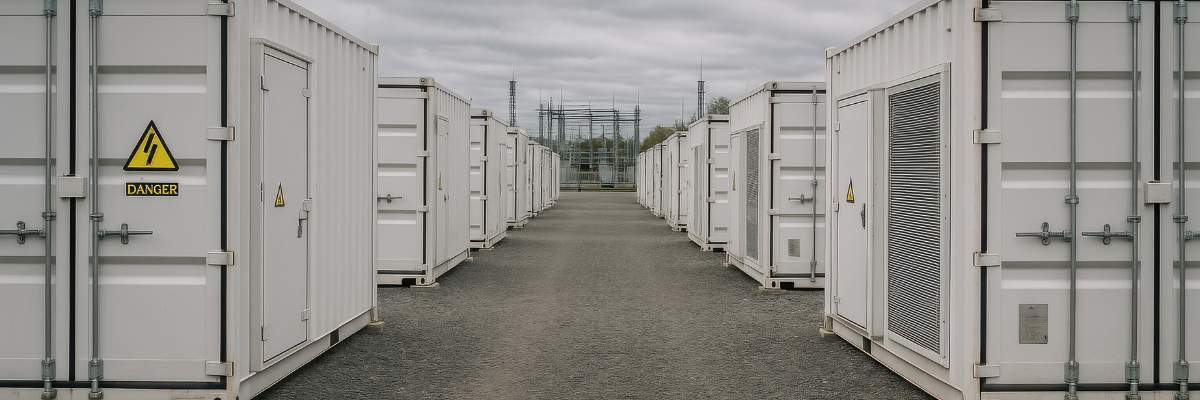
As solar projects continue to scale across utility, commercial, and community environments, Battery Energy Storage Systems (BESS) have become an essential component of modern solar infrastructure. By storing excess generation for use at peak demand, BESS technology increases system resilience, improves grid stability, and maximizes solar ROI. But just like PV panels and inverters, a BESS eventually reaches the end of its usable life. Whether due to capacity degradation, safety concerns, or system upgrades, proper end-of-life planning is crucial for solar developers, EPCs, asset owners, and O&M teams. METech Recycling specializes in safe, compliant, and sustainable BESS decommissioning for solar sites of any scale. 1. Why BESS End-of-Life Planning Matters for Solar Projects A BESS is composed of battery modules, inverters, thermal management systems, wiring, and enclosures—all of which require careful handling at end-of-life. For solar operators, failure to plan ahead can lead to: Safety risks from high-voltage lithium-ion components Fire hazards associated with thermal runaway Regulatory non-compliance during hazardous-material transport [...]